

Corral Boots Sizing Guide: A Comprehensive Overview (Updated March 23, 2026)
Navigating Corral boot sizes requires understanding youth, women’s, and men’s ranges, especially considering styles like wing & cross or floral embroidery designs.
Understanding Corral Boot Sizing Philosophy
Corral Boot Company approaches sizing with a focus on traditional boot-making standards, yet acknowledges variations across styles and materials. They aim for consistent sizing within collections, but full leather boots often require a break-in period, potentially influencing initial fit.
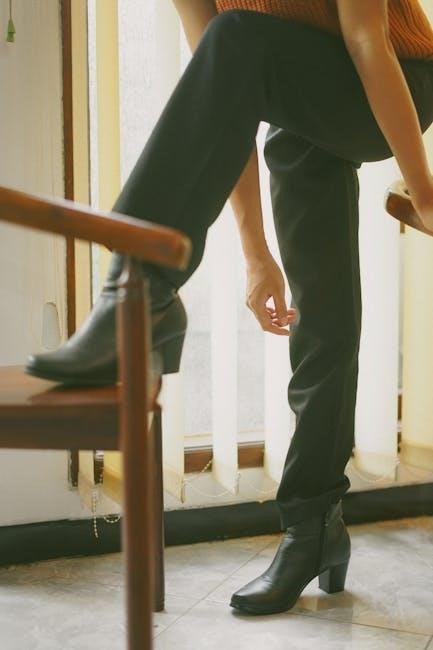
Understanding that embroidery, like wing & cross or floral designs, can subtly alter internal dimensions is crucial. Corral also offers options for wider calf widths and varying heel heights, impacting overall comfort and size selection.
Their philosophy emphasizes finding the right fit for individual foot shapes, recognizing that sizing isn’t always a simple number.

Corral Boot Size Range: Youth, Women’s, and Men’s
Corral Boots caters to a broad audience with distinct sizing ranges. Youth sizes begin with toddler sizes and extend into teen (T) sizes, bridging the gap to adult footwear. Women’s sizes typically span from 5 to 11.5, including options for wide calf boots.
Men’s sizes generally range from 7 to 13, with standard width and EE width availability for broader feet. It’s important to note that “T” sizes indicate teen sizing, often overlapping with smaller adult sizes.
Variations can occur between collections, so referencing specific size charts is always recommended.
Youth Corral Boot Sizing – Specifics
Youth Corral boots are designed for growing feet, offering full leather options with popular styles like wing & cross embroidery. Sizes are clearly marked, with “T” denoting teen sizes, which represent a transition towards adult footwear.
Accurate measurement is crucial, as youth sizing can vary between brands. Consider the boot’s features – a riding heel and snip toe impact fit.
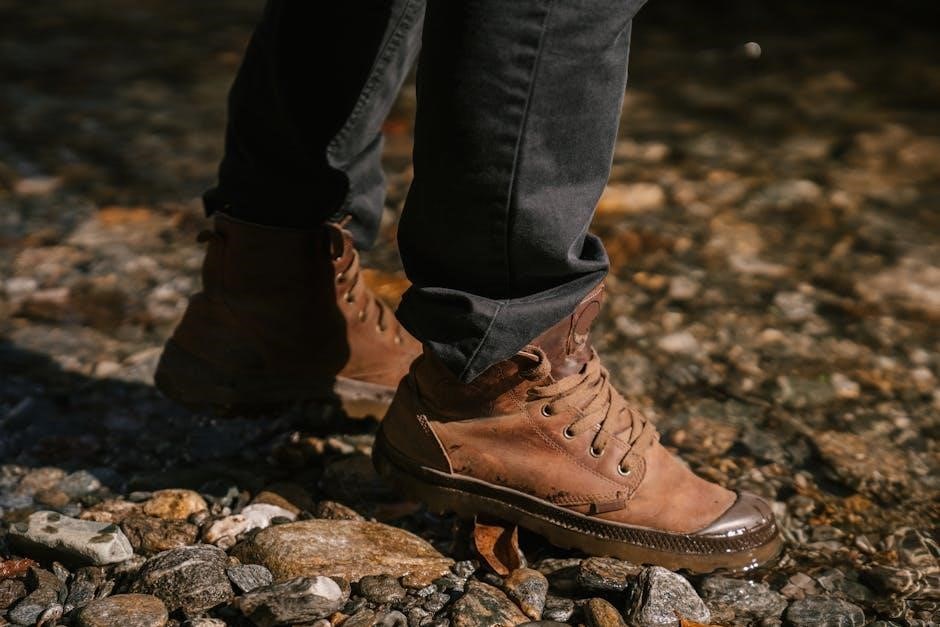
Always consult conversion charts for US to UK/EU equivalents to ensure a comfortable and secure fit for young cowgirls.
Youth Size Conversion Charts (US to UK/EU)
Accurate conversions are vital when purchasing Youth Corral boots internationally. While specific charts vary, a general guideline assists in finding the correct fit. US Youth size 1 typically equates to UK Child size 12 and EU size 30.
Size 2 often corresponds to UK 13.5 and EU 31.5, while size 3 aligns with UK 1 and EU 33.
Teen sizes (T) begin around US 4, bridging the gap to adult sizing. Always double-check with the retailer’s specific chart for the most precise conversion before ordering.
Teen (T) Sizes Explained – Bridging the Gap
Teen (T) sizes in Corral boots represent a crucial transition between youth and adult footwear. These sizes, starting around US size 4, accommodate growing feet that have outgrown traditional youth options but aren’t quite ready for full adult sizes.
T-sizes generally follow the same width options as adult boots (B, D, EE), offering a more refined fit.
Carefully consider foot length and width when selecting a T-size, as they can vary slightly between styles. Refer to detailed size charts for accurate measurements and conversions.
Women’s Corral Boot Sizing – Detailed Guide
Corral offers women’s boots in standard sizes and wide calf options, catering to diverse leg shapes. Accurate sizing is vital for comfort and style. Begin by measuring your foot length and calf circumference. Standard widths (B) suit most, while wider calves benefit from specifically designed options.
Consider heel height; taller heels can alter perceived fit.
Floral or wing & cross embroidery styles may influence shaft height and calf fit, so review product details carefully. Always consult the official Corral size chart for precise conversions.
Standard Women’s Sizes vs. Wide Calf Options
Corral caters to varying calf sizes with both standard and wide calf boot options. Standard boots, typically with a B width, are designed for average calf measurements. However, many women require wider shafts for a comfortable fit. Wide calf boots accommodate larger circumferences, preventing constriction and discomfort.
When selecting, accurately measure your calf at its widest point.
Consider styles like floral embroidery boots, where shaft height impacts fit. Prioritize a snug, yet not tight, feel for optimal wearability and lasting enjoyment.
Women’s Size Conversion Charts (US to UK/EU)
Accurate size conversion is crucial when purchasing Corral boots internationally. While US sizing is standard, UK and EU sizes differ. A US size 7 typically converts to a UK size 5 and an EU size 38. However, slight variations can occur between brands and styles.
Always consult a detailed conversion chart before ordering.
Consider width alongside length, as this impacts overall fit. Refer to Corral’s official website or authorized retailers for the most precise and up-to-date conversion information.
Men’s Corral Boot Sizing – A Practical Approach
Men’s Corral boots offer both standard and EE widths to accommodate varying foot shapes. A proper fit is essential for comfort and performance. Begin by accurately measuring your foot length and width. Consider the sock thickness you’ll typically wear with your boots.
EE width boots are ideal for those with wider feet, preventing pinching and discomfort.
Always prioritize a snug, yet not overly tight, fit to ensure optimal support and prevent slippage during wear. Refer to Corral’s size charts for precise measurements.
Men’s Standard Width vs. EE Width
Corral boots cater to diverse foot shapes with standard and EE width options. Standard width (typically denoted as ‘D’) suits most men with average foot width. However, if you experience discomfort, such as pinching across the ball of your foot, an EE width might be necessary.
EE width boots provide extra room, accommodating wider feet for enhanced comfort.
Determining the correct width is crucial; a too-wide boot can lead to instability, while a too-narrow boot causes pain. Accurate measurement is key to selecting the ideal fit.
Men’s Size Conversion Charts (US to UK/EU)
Accurate conversion is vital when purchasing Corral boots internationally. While US sizing is standard, UK and EU sizes differ. A US size 9 typically equates to a UK size 8 and a EU size 42. However, slight variations can occur between manufacturers.
Always consult a detailed conversion chart before ordering, as discrepancies can lead to incorrect fit.
Referencing multiple charts and considering your specific foot length in inches or centimeters ensures the most accurate size selection for optimal comfort and style.
Key Features Affecting Corral Boot Fit
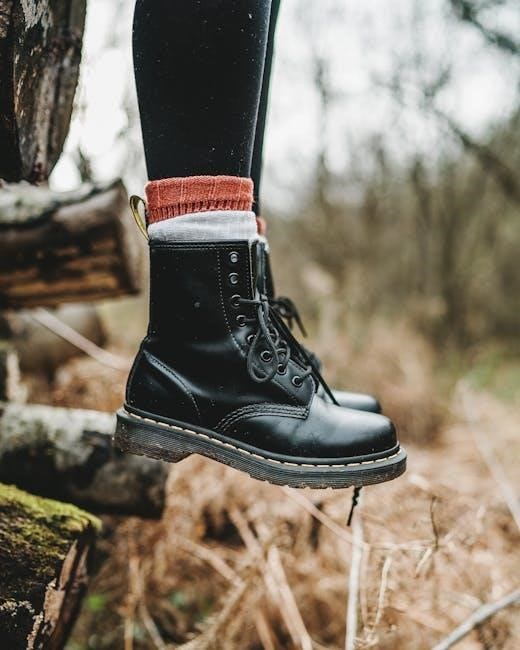
Several design elements significantly impact how a Corral boot will fit. Heel height alters the foot’s position, potentially requiring a half-size adjustment for comfort. Toe shape – snip, round, or square – influences toe box space and overall feel.
Consider shaft height, especially with embellished styles, as it affects calf fit.
Understanding these features allows for a more informed sizing decision, ensuring a secure and comfortable fit tailored to your foot and preferred style.
Heel Height and its Impact on Size
Corral boots feature varying heel heights, notably the “riding heel” common in many styles. A higher heel shifts your weight forward, potentially causing your foot to slide. This can necessitate sizing down a half-size to prevent slippage and ensure a secure fit.
Conversely, lower heels offer more stability, potentially allowing for your true size.
Always consider the heel height when trying on boots, and prioritize comfort alongside style to avoid foot fatigue or discomfort during extended wear.
Toe Shape (Snip, Round, Square) and Comfort
Corral boots offer diverse toe shapes – snip, round, and square – each influencing fit and comfort. Snip toes, narrower in profile, may require extra room to avoid pinching, potentially suggesting a wider width or half-size up.
Round and square toes generally provide more space, accommodating wider feet comfortably.
Consider your foot shape and preferred feel; a wider toe box can enhance all-day comfort, while a snug fit might be preferred for a secure feel during activities.
Measuring Your Feet for Corral Boots
Accurate foot measurement is crucial for a perfect Corral boot fit. Begin by tracing your foot on paper, measuring the length from heel to longest toe. Repeat on both feet, as sizes can vary.
Measure width at the broadest part of your foot.
Consider wearing the socks you intend to wear with your boots during measurement. Account for any foot swelling, and always round up to the nearest half size when in doubt for optimal comfort and fit.
Step-by-Step Foot Measurement Guide
First, place a piece of paper on a hard surface against a wall. Stand with your heel against the wall and trace your foot carefully. Repeat for the other foot.
Next, measure the length of each tracing from the heel to the tip of the longest toe using a ruler or measuring tape.
Record both measurements and use the larger one to determine your size. Measure width at the widest point. Compare your measurements to a Corral size chart for the best fit.
Best Time of Day to Measure Your Feet
The optimal time to measure your feet for Corral boots is late afternoon or evening. Throughout the day, your feet naturally swell due to activity and gravity.
Measuring later in the day accounts for this swelling, ensuring a more accurate fit, especially crucial for boots worn for extended periods.
Avoid measuring first thing in the morning when feet are typically at their smallest. Wear socks similar to those you’ll wear with your Corral boots during measurement.
Common Corral Boot Fit Issues & Solutions
Frequently, Corral boot wearers experience issues with tightness or looseness. If boots feel too snug, consider professional stretching, focusing on leather areas. Boot stretchers can also help, but gradual application is key to avoid damage.
For boots that are too loose, explore insole options to fill excess space and provide a more secure fit.
Thick socks can also offer a temporary solution, but insoles are generally more effective for long-term comfort and support.
Too Tight: Stretching Techniques
When Corral boots feel too tight, several stretching methods can provide relief. Professional boot stretching is highly recommended, especially for leather boots, as experts utilize specialized equipment to gently expand the material without causing damage.
Alternatively, boot stretchers can be used at home, but proceed cautiously and gradually.
Wearing thick socks while breaking in the boots can also help, alongside leather conditioning to enhance flexibility. Avoid harsh stretching methods that could compromise the boot’s integrity.
Too Loose: Insole Recommendations
If your Corral boots feel too loose, insoles are an excellent solution to achieve a more secure and comfortable fit. Consider using full-length insoles for overall volume, or ¾ length insoles if you need to maintain existing toe room.
Gel insoles provide cushioning and can take up slight space, while felt insoles offer a thinner profile.
Experiment with different thicknesses to find the perfect fit; layering insoles is also an option. Ensure the insoles don’t cause pressure points or discomfort during wear.
Corral Boot Materials and Their Flexibility
Corral boots utilize both full leather and synthetic materials, each impacting the break-in period and overall fit. Full leather boots, while durable and molding to your foot over time, typically require a longer break-in process.
Expect some initial stiffness and potential discomfort. Synthetic materials, conversely, offer immediate comfort and require minimal break-in.
However, they may not conform to your foot as precisely as leather. Consider this when selecting a size.
Full Leather Boots – Break-In Period
Full leather Corral boots demand a patient break-in process to achieve optimal comfort and a personalized fit. Initially, expect some stiffness and potential rubbing, particularly around the heel and ankles.
Wearing the boots for short periods, gradually increasing the duration, is crucial. Utilizing leather conditioners can soften the material and accelerate the break-in.
Thick socks can also help fill out the boot and minimize discomfort during this phase, ensuring a snug, yet comfortable, fit as the leather molds to your foot.
Synthetic Materials – Initial Comfort
Corral boots crafted from synthetic materials generally offer immediate comfort compared to full leather counterparts; These materials require minimal break-in time, providing a more accommodating fit right from the start.
However, while initially comfortable, synthetic boots may lack the same level of long-term molding and personalization that leather offers.
It’s still advisable to assess the fit carefully, ensuring adequate room and support, as synthetic materials don’t stretch or conform to the foot as readily as genuine leather.
Specific Corral Boot Styles & Sizing Considerations
Certain Corral boot styles necessitate unique sizing approaches for optimal fit and comfort. Wing & Cross embroidery boots, popular among youth, often benefit from a slightly looser fit to accommodate potential foot growth.
Floral embroidery boots, frequently featuring a 10-inch shaft, require attention to both shaft height and calf width to ensure a secure, yet comfortable, fit;
Always consider the specific design elements when selecting your size, prioritizing comfort and functionality alongside aesthetic appeal.
Wing & Cross Embroidery Boots – Fit Notes
Corral’s Wing & Cross embroidery boots, particularly those designed for girls, often feature a full leather construction and a snip toe. Due to the classic design and leather material, these boots may require a slight break-in period for maximum comfort.
When sizing, consider that youth sizes are available, with a ‘T’ designation indicating teen sizes, bridging the gap between child and adult footwear. A snug, but not overly tight, fit is recommended, allowing for growth.
Floral Embroidery Boots – Shaft Height & Calf Width
Corral’s floral embroidery boots, like the popular bone-colored style, typically feature a 10-inch shaft, making shaft height a key sizing consideration. These boots, often crafted from distressed leather, pair beautifully with dresses and denim, but proper fit is crucial;
Pay close attention to calf width, as embroidery can slightly reduce interior space. Ensure enough room for comfortable movement, especially when wearing thicker socks or layers. Accurate foot measurement is vital for a perfect fit.
Corral Boot Width Options Explained
Understanding Corral boot widths – B, D, and EE – is essential for optimal comfort. Width refers to the circumference of your foot, not the calf. A ‘B’ width generally suits narrower feet, offering a snug fit. The standard ‘D’ width accommodates most foot shapes, providing a balanced feel.
For those with wider feet, the ‘EE’ width offers extra room and prevents pinching. Correct width selection minimizes discomfort and maximizes the enjoyment of your Corral boots, ensuring a secure and comfortable stride.
Understanding B, D, and EE Widths
Corral boots offer three primary widths: B (narrow), D (standard), and EE (wide). The ‘B’ width is ideal for individuals with slender feet, preventing slippage and ensuring a secure fit. Most customers comfortably fit into the ‘D’ width, designed for average foot proportions.
If you experience tightness or discomfort across the widest part of your foot, the ‘EE’ width provides the necessary extra space. Choosing the correct width is crucial for all-day comfort and prevents blisters or foot fatigue during wear.
Where to Buy Corral Boots & Access Sizing Assistance
Corral boots are readily available through the official Corral Boot website, offering a comprehensive selection and detailed sizing information. Numerous authorized retailers also carry Corral boots, many providing in-store fitting services for personalized guidance.
These retailers’ knowledgeable staff can assist with accurate foot measurements and recommend the best size and width for optimal comfort. Exploring both online and brick-and-mortar options ensures a well-informed purchase.
Official Corral Boot Website
The official Corral Boot website serves as a primary resource for purchasing boots and accessing detailed sizing charts. It features an extensive catalog showcasing various styles, including those with wing & cross or floral embroidery, alongside specific size recommendations.
Customers can find comprehensive information regarding width options and conversion charts for international sizes. The website often includes customer reviews offering valuable sizing feedback, aiding in informed decision-making for a perfect fit.
Authorized Retailers with Fitting Services
Numerous authorized retailers offer professional fitting services to ensure a precise Corral boot fit, crucial given variations in styles like those featuring wing & cross or floral embroidery. These stores provide expert assistance, helping customers determine their correct size and width.
Experienced staff can assess foot measurements and recommend appropriate insoles or stretching techniques if needed. Visiting a retailer allows trying on different styles and widths, guaranteeing optimal comfort and a secure fit before purchase.
Customer Reviews & Sizing Feedback
Analyzing customer reviews reveals valuable insights into Corral boot sizing trends, particularly regarding styles like those with wing & cross or floral embroidery detailing. Many users report consistent sizing, but some suggest considering a half-size up for optimal comfort, especially with full leather boots.
Feedback often highlights the importance of width selection, with recommendations varying based on foot shape. Reviewers frequently mention the break-in period for leather boots and suggest using boot stretchers for a customized fit.
Analyzing Common Sizing Trends from Reviews
Review analysis indicates a recurring theme: Corral boots, particularly those featuring intricate floral or wing & cross embroidery, often run true to size, but with caveats. A significant number of customers advise ordering a half-size up, especially when opting for full leather constructions, anticipating the natural break-in process.
Width is another consistent point of feedback, with many suggesting wider feet benefit from selecting a ‘D’ or ‘EE’ width. Snip toe styles are generally reported as comfortable, while heel height doesn’t significantly impact sizing perceptions.
Corral Boot Care to Maintain Fit & Longevity
Proper care is crucial for preserving the fit and extending the life of your Corral boots, especially those crafted from full leather. Regular conditioning prevents cracking and maintains suppleness, accommodating natural foot shape changes over time.
Avoid prolonged exposure to harsh elements and clean regularly with a leather-specific cleaner. For embroidered styles, gentle cleaning is vital to protect delicate designs. Consistent care ensures a comfortable, lasting fit, preventing premature wear and tear.
Leather Conditioning & Cleaning
Maintaining leather’s moisture balance is key; use a quality leather conditioner every few months to prevent drying and cracking, preserving the boot’s shape and fit. Cleaning should be done with a leather-specific cleaner, gently removing dirt and grime with a soft cloth.
Avoid harsh chemicals or abrasive cleaners that can damage the leather. For stubborn stains, consult a professional leather cleaner. Regular conditioning and cleaning contribute to a comfortable, long-lasting fit.
Return Policies & Exchanges for Corral Boots
Understanding the return process is crucial if the initial fit isn’t perfect. Corral Boot Company’s policy generally allows returns or exchanges within a specified timeframe, typically 30 days, for unworn boots with original packaging.
However, policies can vary depending on the retailer. Always check the specific return guidelines of where you purchased your boots. Return shipping costs may be the responsibility of the customer, unless the return is due to a defect.
Understanding Corral Boot’s Return Process
Initiating a return with Corral typically begins with contacting the retailer where the purchase was made. Obtain a Return Merchandise Authorization (RMA) number, essential for tracking. Pack the boots securely in the original box, including all tags and paperwork.
Ship the package to the designated address, often at the customer’s expense. Upon receipt and inspection, Corral or the retailer will process the refund or exchange, depending on availability and your request.
Sizing Differences Between Corral Boot Collections
Corral’s sizing can subtly shift between collections, particularly when comparing vintage and modern designs. Vintage boots may run narrower or have different heel placements impacting fit. Modern collections often incorporate updated lasts for enhanced comfort and standardized sizing.
It’s crucial to consult specific size charts for each style, as older models might not align with current measurements. Always read recent customer reviews for insights into collection-specific fit nuances before purchasing.
Comparing Vintage vs. Modern Sizing
Vintage Corral boots often exhibit narrower fits due to older manufacturing techniques and last designs. Heel heights and toe box shapes also differ significantly from contemporary styles, influencing overall comfort and sizing needs.
Modern Corral boots prioritize wider toe boxes and standardized widths, offering more consistent sizing. Expect a potential half-size difference or width variation when transitioning between vintage and current collections. Careful measurement and review analysis are essential for accurate fit.
Frequently Asked Questions (FAQs) About Corral Boot Sizing
Q: Do Corral boots run true to size? A: Sizing can vary; measuring your feet is crucial. Q: What does the ‘T’ size mean? A: ‘T’ denotes Teen sizes, bridging youth and women’s fits. Q: Are wide calf options available? A: Yes, Corral offers select styles in wider calf widths.
Q: How do I stretch tight Corral boots? A: Leather stretchers or professional assistance are recommended. Q: What if my feet are different sizes? A: Fit to the larger foot, using insoles in the smaller one.