
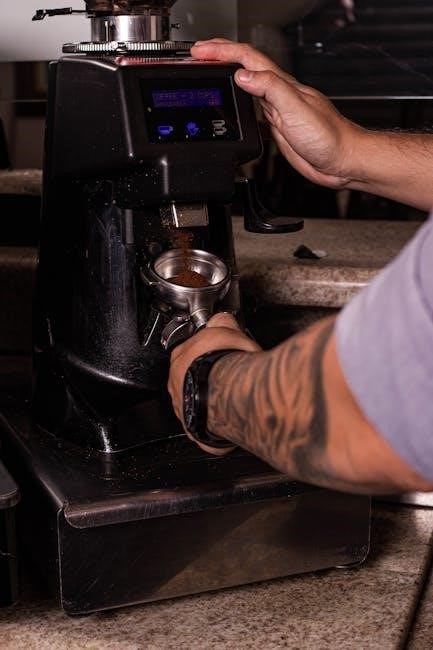
Embarking on the journey to exceptional coffee begins with the grind! Choosing between manual and electric grinders impacts flavor, convenience, and overall brewing experience.
The Importance of Freshly Ground Coffee
Pre-ground coffee rapidly loses its aromatic compounds and flavor complexity. Once beans are ground, oxidation begins, diminishing the quality of your brew. Whether you opt for the deliberate pace of a manual grinder or the speed of an electric model, grinding immediately before brewing is paramount.
This practice unlocks the full potential of the coffee bean, delivering a richer, more nuanced cup. The iPhone SE, while compact and affordable, highlights the value of optimized performance – much like freshly ground coffee. Investing in a grinder, be it manual or electric, is a commitment to superior coffee, rivaling your favorite coffee shop experience, and preserving those volatile oils crucial for a vibrant flavor profile.
Manual vs. Electric: A Core Comparison
The fundamental difference lies in power source and user effort. Manual grinders rely on hand-cranking, offering portability and a tactile experience, akin to the focused simplicity of the iPhone SE’s design. Electric grinders, conversely, provide speed and convenience, ideal for larger batches or frequent brewing.
However, this convenience often comes at a cost – both financially and potentially in terms of grind consistency. While electric grinders range from affordable blade models to premium burr grinders, manual options generally offer excellent grind quality for their price point. The choice hinges on your priorities: control and portability versus speed and automation, mirroring the trade-offs in smartphone features.

Manual Coffee Grinders: A Deep Dive
Manual grinders offer a hands-on approach to coffee preparation, prioritizing control and portability, and delivering a consistent grind with focused effort.
Mechanism and Operation of Manual Grinders
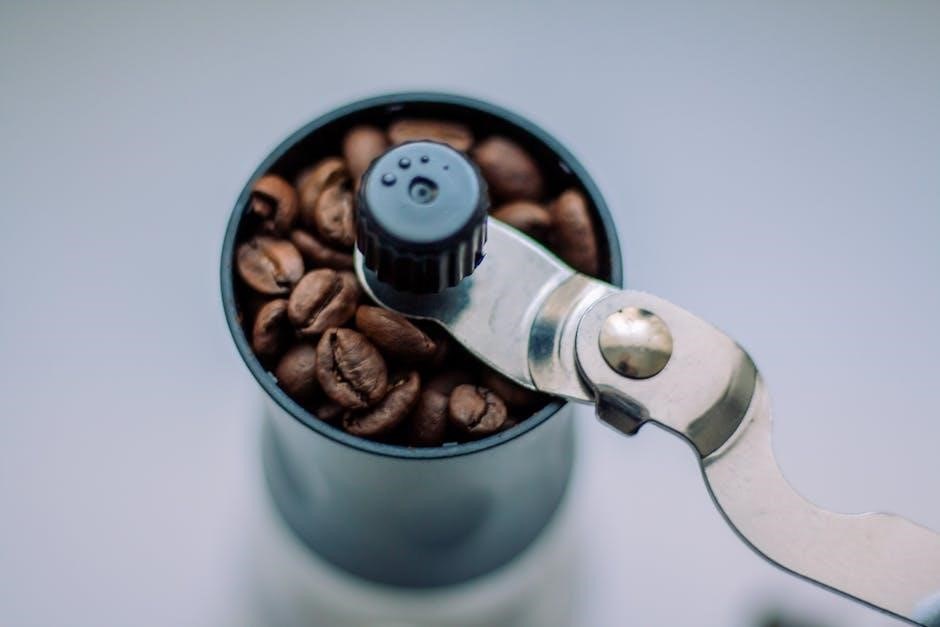
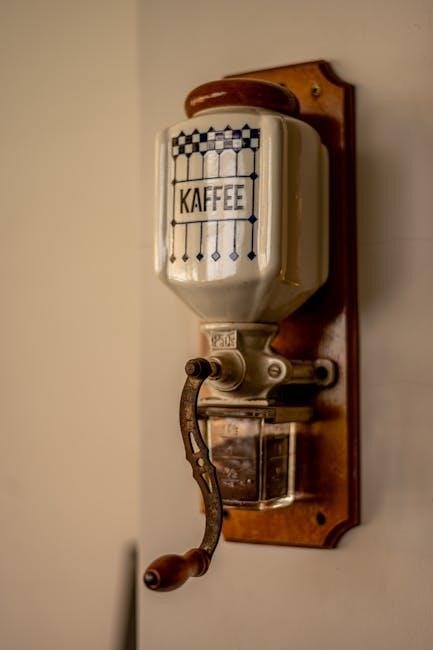
Manual coffee grinders typically employ a burr system, consisting of two abrasive surfaces – one stationary, one rotating – that crush coffee beans between them. The user powers this process through a hand crank, controlling the speed and duration of grinding. Beans are fed into a hopper, then drawn down towards the burrs.
Adjusting the distance between the burrs dictates the grind size, from coarse for French press to fine for espresso. This adjustment is often achieved via a stepped or stepless mechanism. The ground coffee then collects in a chamber below. The simplicity of this design contributes to their durability and relatively quiet operation. Unlike blade grinders, burr grinders produce a more uniform particle size, crucial for even extraction and optimal flavor.
Pros of Using a Manual Coffee Grinder
Manual grinders offer several compelling advantages. Their affordability makes them an excellent entry point for coffee enthusiasts. They are incredibly portable, requiring no electricity – ideal for camping or travel. This compact nature also saves valuable kitchen counter space.
The deliberate, hands-on process fosters a deeper connection to the coffee-making ritual. Many users appreciate the quiet operation, avoiding the jarring noise of electric models. High-quality manual burr grinders can achieve grind consistency comparable to more expensive electric options. Furthermore, they generally require less maintenance and boast a longer lifespan due to their simpler mechanical design, offering long-term value.
Cons of Using a Manual Coffee Grinder
Despite their charms, manual coffee grinders present certain drawbacks. The most significant is the physical effort required; grinding beans manually takes time and can be tiring, especially for larger batches. This makes them less convenient for daily, high-volume coffee consumption.
Achieving consistent grind size can be challenging, demanding practice and technique. While quality manual burr grinders exist, they may not match the precision of high-end electric burr grinders. The grinding process is inherently slower compared to electric alternatives. For those accustomed to instant gratification, the manual method might feel cumbersome, impacting the overall coffee preparation experience.
Best Use Cases for Manual Grinders
Manual coffee grinders truly shine in specific scenarios. They are ideal for coffee enthusiasts who prioritize control and enjoy the ritual of coffee preparation. Their compact size and portability make them excellent companions for travel, camping, or situations where electricity is unavailable – perfect for enjoying fresh grounds anywhere!
For single-cup brewing methods like pour-over, Aeropress, or French press, a manual grinder offers sufficient capacity without excessive effort. They are also a fantastic entry point for those new to grinding their own beans, providing a cost-effective way to explore the world of fresh coffee. Ultimately, manual grinders cater to those valuing a deliberate, hands-on brewing process.
Electric Coffee Grinders: A Comprehensive Look
Electric grinders offer speed and convenience, ranging from affordable blade models to precise burr grinders, catering to diverse needs and budgets for daily use.
Types of Electric Coffee Grinders (Burr vs. Blade)
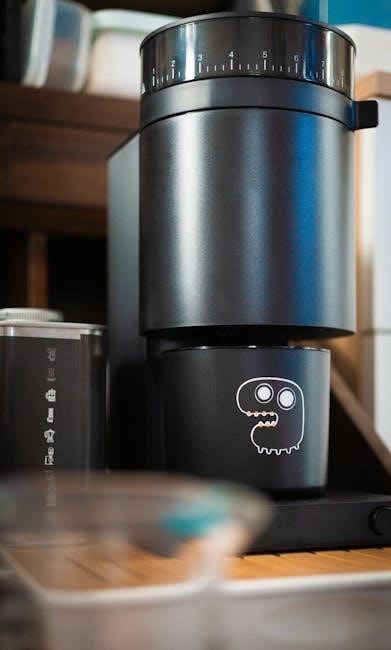
Electric coffee grinders primarily fall into two categories: burr and blade. Blade grinders, resembling spice grinders, chop beans with a spinning blade, resulting in inconsistent particle sizes and heat generation that can diminish flavor. They are generally more affordable and suitable for those prioritizing cost over precision.
Burr grinders, conversely, utilize two revolving abrasive surfaces (burrs) to crush beans uniformly. This method preserves the coffee’s aromatic oils and delivers a consistent grind, crucial for optimal extraction. Burr grinders come in conical and flat burr variations, each offering slightly different grind characteristics. While more expensive, burr grinders are favored by coffee enthusiasts seeking superior flavor and control.
Burr Grinder Advantages
Burr grinders offer significant advantages for coffee quality and consistency. Their crushing action, unlike blade grinders, minimizes heat production, preserving the delicate aromatic compounds within the coffee beans. This translates to a brighter, more nuanced flavor profile in your final brew.
The uniform grind size achieved by burr grinders is paramount for even extraction. Consistent particles ensure water flows through the grounds at a similar rate, preventing under or over-extraction, which leads to bitter or sour tastes. Furthermore, many burr grinders feature adjustable grind settings, allowing you to tailor the grind size to your preferred brewing method – from coarse for French press to fine for espresso.
Blade Grinder Advantages & Disadvantages
Blade grinders, employing spinning blades similar to a food processor, present a cost-effective entry point into home coffee grinding. Their primary advantage lies in their affordability and compact size, making them suitable for smaller kitchens or those on a budget. They are also generally faster than burr grinders for quickly chopping beans.
However, blade grinders suffer from significant drawbacks regarding consistency. The chopping action produces an uneven grind with a mix of boulders and dust, leading to inconsistent extraction and a muddied, often bitter, flavor. Heat generated during grinding can also diminish the coffee’s aroma. While convenient for a quick grind, they are not ideal for discerning coffee enthusiasts seeking optimal flavor.
Pros of Using an Electric Coffee Grinder
Electric coffee grinders offer unparalleled convenience and speed for daily coffee preparation. With a simple push of a button, beans are ground consistently, saving valuable time and effort, especially during busy mornings. Burr grinders, a type of electric grinder, deliver remarkably uniform particle sizes, crucial for optimal extraction and a balanced cup.
Furthermore, electric grinders often feature adjustable grind settings, catering to various brewing methods – from coarse for French press to fine for espresso. Many models include programmable timers and automated features, enhancing the user experience. The consistent results and ease of use make electric grinders a popular choice for both novice and experienced coffee drinkers seeking reliable performance.
Cons of Using an Electric Coffee Grinder
Despite their convenience, electric coffee grinders present certain drawbacks. A significant concern is noise – blade and even some burr grinders can be quite loud, potentially disturbing household members. Electric grinders also require a power source, limiting their usability in remote locations or during power outages. Initial investment costs can be higher, particularly for quality burr grinders.
Moreover, electric grinders often necessitate more thorough cleaning due to static buildup and residual coffee grounds. Blade grinders, specifically, can produce inconsistent grind sizes, impacting flavor. While convenient, the reliance on electricity and potential maintenance requirements represent trade-offs compared to the simplicity of manual grinders.

Grind Consistency and Its Impact
Uniformity is key! Consistent grind size dramatically influences coffee extraction, directly impacting the final brew’s flavor profile and overall quality.
How Grind Size Affects Coffee Flavor
The relationship between grind size and flavor is profound. Coarse grinds, typically used for French presses, yield a less extracted, often sediment-filled brew with muted flavors. Medium grinds, suitable for drip coffee makers, offer a balanced extraction, showcasing a wider range of the bean’s characteristics.
Finer grinds, favored for espresso, maximize surface area, resulting in a concentrated, intense flavor. However, overly fine grinds can lead to over-extraction, producing bitter and harsh tastes. Achieving the correct grind size unlocks the coffee bean’s potential, highlighting its sweetness, acidity, and body. Consistency within the chosen grind size is equally crucial for a balanced and enjoyable cup.
Manual Grinders and Grind Consistency
Achieving consistent results with manual grinders relies heavily on technique and the grinder’s build quality. While offering greater control, manual grinders demand a steady, even hand-cranking motion. Variations in speed or pressure can introduce inconsistencies in particle size.
Higher-end manual grinders, featuring quality burrs and precise adjustments, minimize these inconsistencies, delivering a remarkably uniform grind. However, even the best manual grinders require practice to master. Lower-cost models may struggle with consistency, leading to uneven extraction and compromised flavor. The user’s effort directly translates to the final grind quality, making it a skill-based process.
Electric Grinders and Grind Consistency
Electric grinders, particularly burr grinders, generally offer superior and more repeatable grind consistency compared to manual options. The motor provides a consistent power output, minimizing user-induced variations. Burr grinders, whether conical or flat, crush beans between two revolving abrasive surfaces, yielding a uniform particle size.
However, even within electric grinders, consistency varies. Higher-end models boast precise calibration and minimal retention (ground coffee remaining in the grinder), further enhancing uniformity. Blade grinders, while less expensive, chop beans unevenly, creating a mix of boulders and dust, negatively impacting extraction. Electric grinders prioritize automation and repeatable results, simplifying the process.
Cost and Long-Term Value
Initial costs vary widely; manual grinders are often cheaper upfront, while electric models, especially burr grinders, demand a larger investment for quality and features.
Initial Investment: Manual vs. Electric
The financial commitment to enter the world of home coffee grinding differs significantly depending on your chosen path. Manual coffee grinders generally represent a lower initial investment, with functional options available starting around $30-$50. These are excellent for beginners or those on a tight budget, offering a pathway to freshly ground coffee without a substantial outlay.
However, electric grinders span a much broader price range. Basic blade grinders can be found for similar prices to entry-level manual options, but their performance is often compromised. True quality, particularly with burr grinders – essential for consistent results – typically begins around $100 and can easily exceed $300 or even $500 for high-end models. Apple’s iPhone SE, known for its affordability, mirrors the entry-level manual grinder price point, illustrating the accessible starting cost.
Maintenance and Running Costs
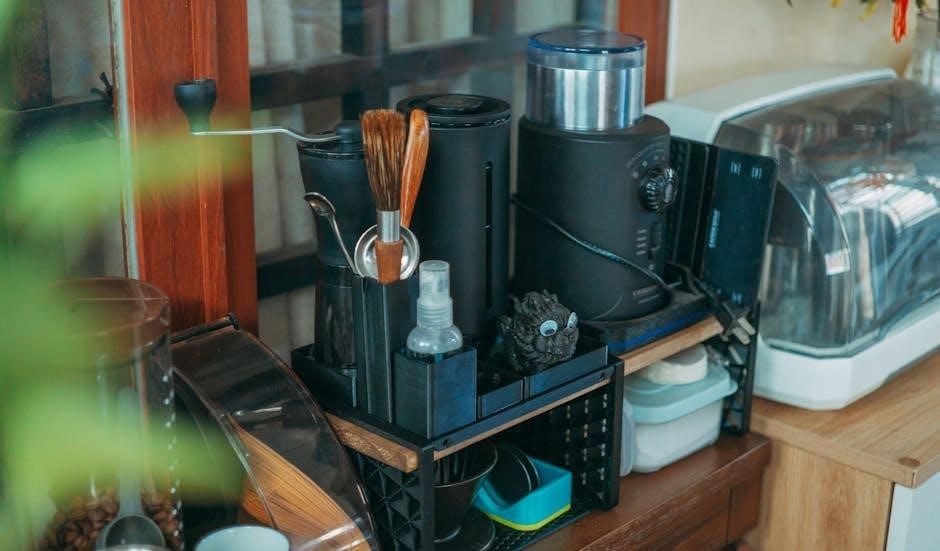
Long-term ownership costs reveal further distinctions between manual and electric coffee grinders. Manual grinders, with their simple mechanical design, require minimal maintenance. Periodic cleaning to remove coffee oils and grounds is usually sufficient, demanding only a brush and perhaps occasional disassembly. There are no electrical components to fail, translating to greater longevity and fewer potential repair expenses.
Electric grinders, conversely, involve more complex maintenance. Beyond regular cleaning, burr grinders may require burr replacement over time, adding to the cost. Blade grinders, while cheaper initially, tend to dull faster. Furthermore, electric grinders consume electricity, albeit a relatively small amount. Considering the iPhone SE’s long-term software support, similar durability expectations can be applied to well-maintained manual grinders, offering sustained value.
Noise Levels and Convenience
Manual grinders offer silent operation and control, while electric models prioritize speed and automation. Convenience hinges on user preference and lifestyle demands.
Noise Comparison: Manual vs. Electric
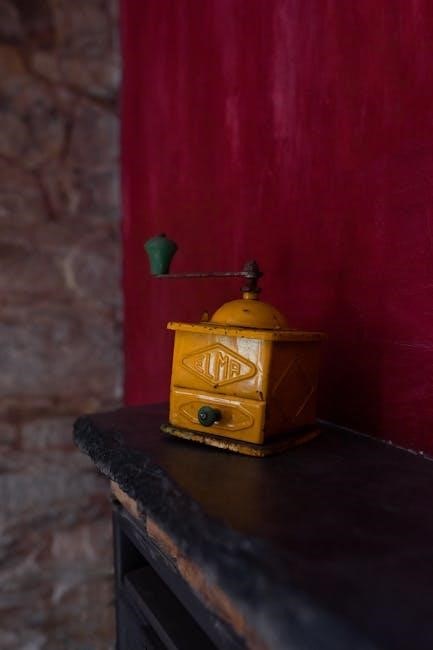
The disparity in noise levels between manual and electric coffee grinders is quite significant. Manual grinders, relying on human power, operate virtually silently. This makes them ideal for early mornings, shared living spaces, or anyone sensitive to noise. The only sound produced is the gentle turning of the handle and the cracking of the beans themselves – a surprisingly pleasant auditory experience for coffee enthusiasts.
Conversely, electric grinders, particularly blade grinders, can be notoriously loud. The whirring and grinding of the motor can be disruptive, potentially waking others or creating an unpleasant atmosphere. Even burr grinders, generally quieter than blade models, still produce a noticeable hum during operation. The noise level varies depending on the grinder’s build quality and motor power, but it will invariably be louder than a manual alternative.
Ease of Use and Cleaning
Electric grinders generally offer greater ease of use for everyday brewing. Simply add beans, select a grind setting, and press a button – convenience is key. However, this simplicity can come at the cost of control over grind consistency. Cleaning electric grinders often involves disassembling parts and carefully removing coffee grounds, which can be time-consuming.
Manual grinders, while requiring physical effort, are surprisingly straightforward. The process is intuitive, and many models disassemble easily for cleaning. Typically, a quick brush-out is sufficient, minimizing cleanup time. While the grinding action itself takes more effort, the simplicity of the mechanism and ease of disassembly often make manual grinders quicker to maintain in the long run, offering a hands-on, satisfying experience.
Portability and Space Requirements
Manual grinders excel in portability, ideal for travel or limited spaces. Electric grinders, due to their size and power needs, are better suited for permanent kitchen setups.
Manual Grinders for Travel
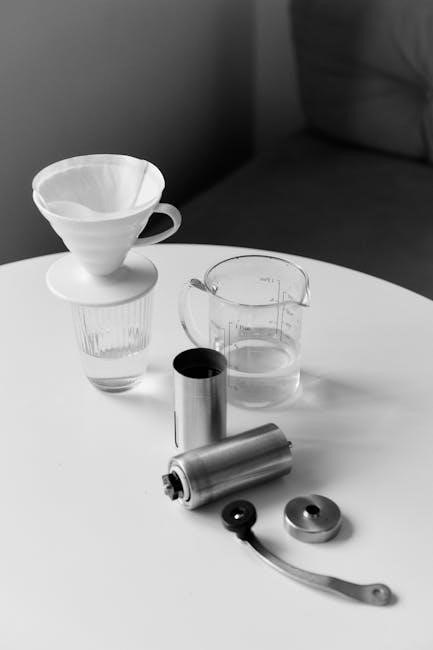
For the coffee enthusiast on the move, manual grinders present a compelling solution. Their compact design and lack of reliance on electricity make them perfect travel companions. Unlike electric models, you won’t need to worry about adapters or finding an outlet to enjoy freshly ground coffee wherever your adventures take you.
Many manual grinders are specifically designed with portability in mind, featuring foldable handles or integrated storage for ground coffee. This makes them easy to pack in a backpack or suitcase without taking up excessive space. Whether you’re camping in the wilderness, staying in a hotel, or exploring a new city, a manual grinder ensures a consistently delicious cup of coffee is always within reach. They truly empower you to maintain your coffee ritual, no matter the location.
Electric Grinders and Kitchen Space
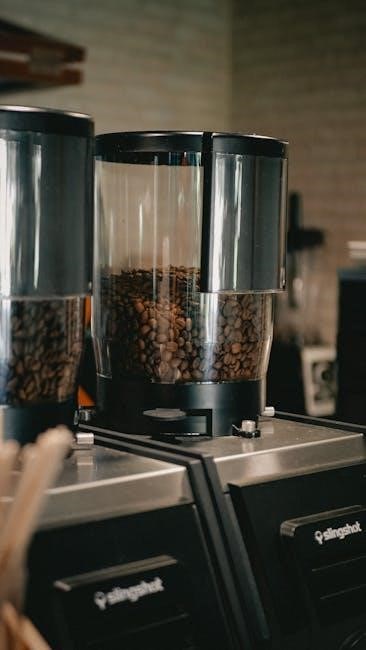
Electric coffee grinders, while offering convenience, often demand a significant footprint in the kitchen. Both burr and blade models typically require dedicated counter space for operation and storage. Larger burr grinders, in particular, can be quite bulky, potentially becoming a challenge in smaller kitchens or those with limited workspace.
Consider the dimensions of the grinder and available counter area before purchasing. Some models are designed to be more compact, but generally, electric grinders necessitate more space than their manual counterparts. If kitchen real estate is at a premium, carefully assess whether the benefits of an electric grinder outweigh the space it will occupy. Proper planning ensures a seamless integration into your existing kitchen setup, maximizing both functionality and aesthetics.